Skylights Versus Traditional Windows: Which Is the Right Choice for You?
When property owners look to improve natural light throughout their homes, the comparison between skylights and standard windows tends to emerge. Both options offer distinct advantages and drawbacks. Skylights can flood a room with light from above, whereas conventional windows provide scenic views and structural variety. Recognizing the consequences of each selection is vital for reaching a knowledgeable determination. What factors should one prioritize in this comparison, and how do they impact long-term satisfaction?
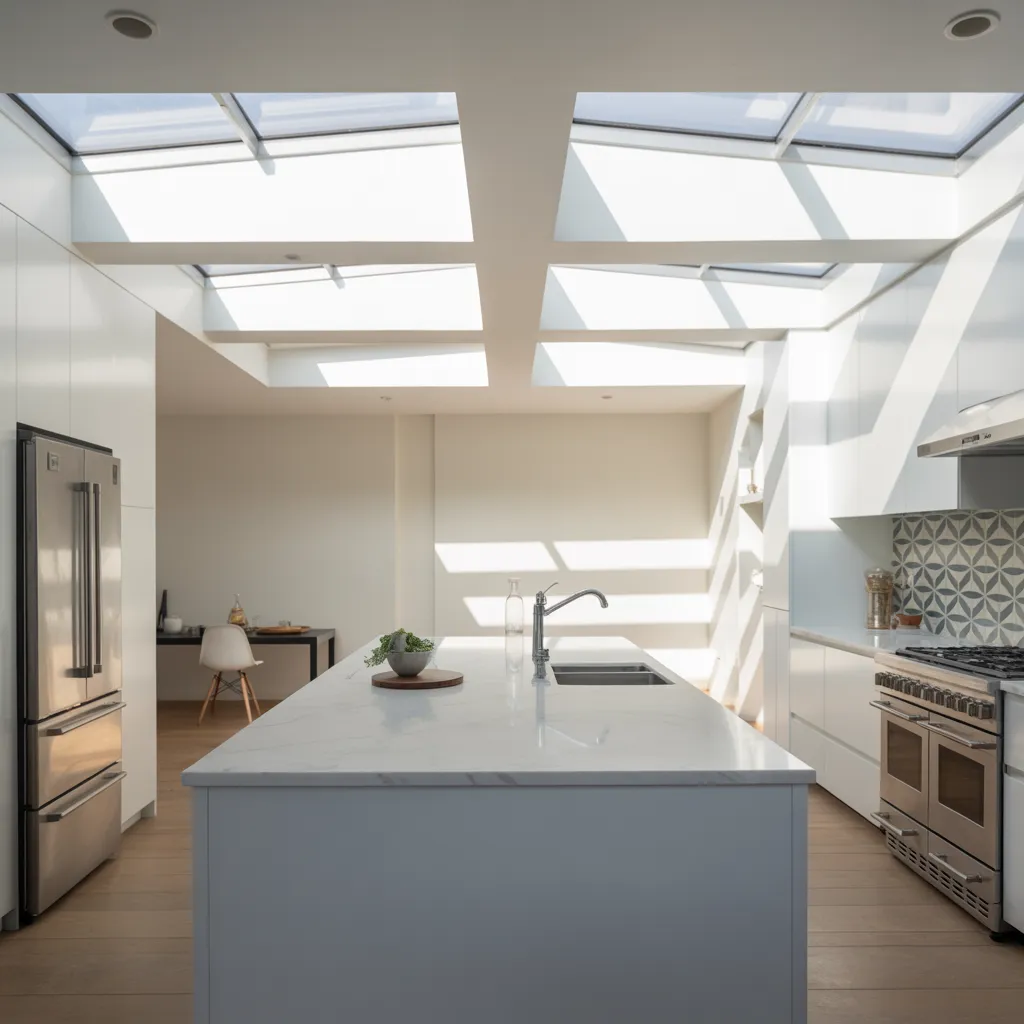
Natural Light Comparison: Skylights vs. Traditional Windows
When exploring how to enhance natural light in a space, skylights and standard windows present notable differences. Skylights, installed on the rooftop, offer an unrestricted flow of natural light, flooding rooms with sunlight from above. This top-down illumination can create a bright and airy atmosphere, making spaces feel larger and more inviting. Moreover, skylights can minimize the dependence on electric lighting during daylight hours.
On the other hand, standard windows permit daylight to stream in through the sides, providing perspectives of the surrounding landscape. They can be strategically placed to optimize natural light intake throughout the day, according to the room's orientation. Furthermore, traditional windows can be designed in various styles to suit architectural preferences, enhancing both light and visual appeal. In the end, the selection between skylights and standard windows depends on personal preferences, the layout of the room, and the preferred ambiance of the room.
Comparing Energy Efficiency: Skylights Against Traditional Windows?
When assessing energy consumption, both skylights and traditional windows present unique advantages. Skylights may significantly improve natural light, thereby minimizing the use of artificial lighting, while standard windows could deliver improved heat retention. Studying energy-related costs exposes considerable variations that could affect the decisions of homeowners.
The Benefits of Natural Lighting
Natural light serves a critical function in boosting energy efficiency, and the choice between skylights and traditional windows greatly impacts this benefit. Skylights permit generous daylight to filter deeper into interior environments, reducing reliance on artificial lighting during the day. This can translate into lower energy bills and a diminished carbon footprint. In contrast, traditional windows primarily illuminate rooms near the exterior walls, which may limit light distribution. Moreover, the angle and location of skylights can collect more sunlight during the day, especially in rooms featuring high ceilings. Overall, integrating natural light through either solution can improve energy efficiency, but skylights often provide a more significant advantage in maximizing daylight exposure across a home or building.
Heat Retention Analysis
When comparing skylights and traditional windows in terms of heat retention? These two choices feature different attributes that impact their overall energy efficiency. Standard windows usually deliver enhanced insulation, especially with double or triple glazing, which limits heat loss during the colder season. Although skylights permit natural light to enter, they may occasionally result in greater heat transfer owing to their expansive surface area and susceptibility to summer heat gain. Nevertheless, innovations in skylight design, including low-emissivity (low-E) coatings, have significantly enhanced their thermal efficiency. In the end, how well each option retains heat is determined by elements such as installation quality, the type of glazing used, and the prevailing climate. Property owners are encouraged to thoroughly assess these factors get details on this to identify which option most effectively satisfies their heat retention requirements.
Energy Cost Assessment
An energy costs analysis reveals significant differences in efficiency between skylights and traditional windows. Skylights are known to admit greater amounts of natural light, helping to decrease dependence on artificial lighting and reduce electricity costs. However, their energy efficiency largely depends on the quality of the glazing and installation. High-performance skylights, equipped with low-E coatings, can minimize heat loss and gain, enhancing overall energy savings.
In contrast, traditional windows may also prove to be highly efficient in terms of energy, especially when featuring double or triple-pane glass. While they supply reasonable insulating properties, they may not provide the same natural light benefits as skylights. Ultimately, the choice between the two should take into account factors such as climate, geographic location, and targeted energy efficiency objectives to determine the most budget-friendly approach.
Key Things to Know About Skylights
What is it that makes skylights a popular choice among homeowners? Skylights offer a creative solution for bringing more natural light into living areas, creating a bright and airy atmosphere. Coming in numerous designs and sizes, they blend naturally into diverse architectural frameworks. Many homeowners value the energy-saving benefits; strategically placed skylights can reduce reliance on artificial lighting during daytime hours.
Furthermore, skylights can boost ventilation when designed with operable mechanisms, allowing warm air to exit and facilitating airflow. They also offer unique aesthetic attributes, serving as focal features that can elevate interior design. However, it is important for homeowners to account for factors such as installation investments, potential leaks, and the need for regular maintenance. Recognizing the specific demands and effects of skylights can enable homeowners reach informed decisions tailored to their living settings.
Primary Benefits and Drawbacks of Traditional Windows
Conventional windows have historically been a fundamental element in home construction, providing clear benefits while also presenting certain limitations. A primary benefit lies in their capacity to supply natural lighting and fresh air circulation, boosting indoor air quality and decreasing the need for artificial lighting. They are also available in a variety of styles and materials, giving homeowners the freedom to personalize their aesthetic to reflect personal style.
Still, traditional windows have their drawbacks. Thermal efficiency can become problematic, most notably with aging models that can allow cold drafts and thermal loss. On top of that, maintenance requirements can be more burdensome, as frames and seals may require regular upkeep to prevent deterioration. Standard windows often prove less capable of regulating solar heat gain relative to contemporary alternatives, leading to increased cooling costs during warmer months. At the end of the day, selecting traditional windows means considering these pros against their cons in light of individual requirements and conditions.
Aesthetic Charm: Skylights vs. Windows
The visual appeal of traditional windows and skylights greatly influences interior decorating choices. Skylights can enhance natural light and generate an open and airy atmosphere, while conventional windows provide flexible design possibilities that suit a wide range of architectural styles. Understanding these differences enables homeowners to reach well-informed conclusions based on their aesthetic preferences.
The Impact of Natural Light
Natural light plays a pivotal role in improving the visual appeal of living spaces, as skylights and traditional windows each provide unique benefits. Skylights, positioned on the ceiling, permit sunlight to pour in from overhead, creating a sense of openness and warmth. This top-down lighting can emphasize architectural elements and render interiors more spacious and appealing. On the other hand, traditional windows deliver glimpses of the exterior, linking indoor areas with the surrounding environment. They have the ability to capture scenic views and generate an engaging dance of light during daylight hours. Whereas skylights are effective at lighting dim spaces, standard windows can improve exterior aesthetics and architectural distinction. In the end, the decision between skylights and traditional windows shapes the general atmosphere and vitality of a home.
Versatile Design Options
Design flexibility is an important consideration when evaluating skylights versus conventional windows, as each option offers distinct contributions to a home's visual character. Skylights deliver a sleek, modern aesthetic, seamlessly integrating into ceilings to create an open, airy atmosphere. Their placement can highlight architectural features and enhance the overall design flow. In contrast, traditional windows provide a classic charm, coming in numerous designs and materials to match virtually any architectural framework. They are adaptable in both size and form, enabling homeowners to preserve classic design elements while optimizing sunlight intake. Ultimately, the choice between skylights and windows depends on individual preferences, desired ambiance, and the specific architectural context of the home, each offering distinct advantages in design versatility.
Planning Your Budget for Skylights and Traditional Windows
What is the best way to budget for skylights compared to traditional windows? When evaluating installation expenses, skylights commonly cost between $1,000 and $3,000, varying by size and features. Additional expenses may include structural modifications and potential roofing repairs. In contrast, traditional windows typically cost between $300 and $1,500 each, influenced by materials and energy efficiency ratings.
Homeowners must also account for installation fees, which can differ significantly based on geographic labor expenses. Skylights can demand specialized installation, increasing overall expenses. Furthermore, long-term energy savings must be incorporated into the budget; skylights can enhance natural light, likely decreasing electricity bills, while high-efficiency windows provide insulation benefits.
Ultimately, determining the right choice involves examining both the initial costs and the expected returns. Balancing aesthetic preferences and practical needs will lead to a more informed financial decision when choosing between skylights and conventional windows.

Common Questions and Answers
How Do Skylights Affect Indoor Temperature During Summer?
Skylights may considerably elevate indoor temperatures during summer by permitting direct sunlight to penetrate, often leading to excessive heat retention. Proper installation and shading options are essential to minimize excessive warmth and sustain pleasant indoor environments.
Is It Possible to Install Traditional Windows in Unconventional Shapes?
Standard windows can absolutely be fitted in unconventional shapes, offering unique aesthetic options. Personalized designs enable homeowners to highlight architectural details, offering both utility and aesthetic beauty while ensuring proper installation and energy efficiency.
What Maintenance Do Skylights Require Compared to Windows?
Skylights tend to need more care and attention than standard windows, as they are susceptible to leaks and the accumulation of debris. Routine cleaning and inspection are necessary, while windows usually demand less maintenance, focusing primarily on general cleaning and intermittent sealing.
Are Skylights Prone to Leaks or Water Damage?
Skylights are susceptible to leaks and water damage, particularly when they are not properly installed or maintained. Regular inspections and proper sealing are essential to minimize risks, keeping them operational and protected from moisture-related issues.
What Role Do Local Building Codes Play in Skylight Installation?
Local construction codes greatly influence skylight installation by establishing construction requirements, energy performance standards, and safety requirements. Following these regulations guarantees accurate installation, minimizing the risk of leaks and boosting the long-term durability and performance of the skylights.